Trauma does not end when the moment passes.
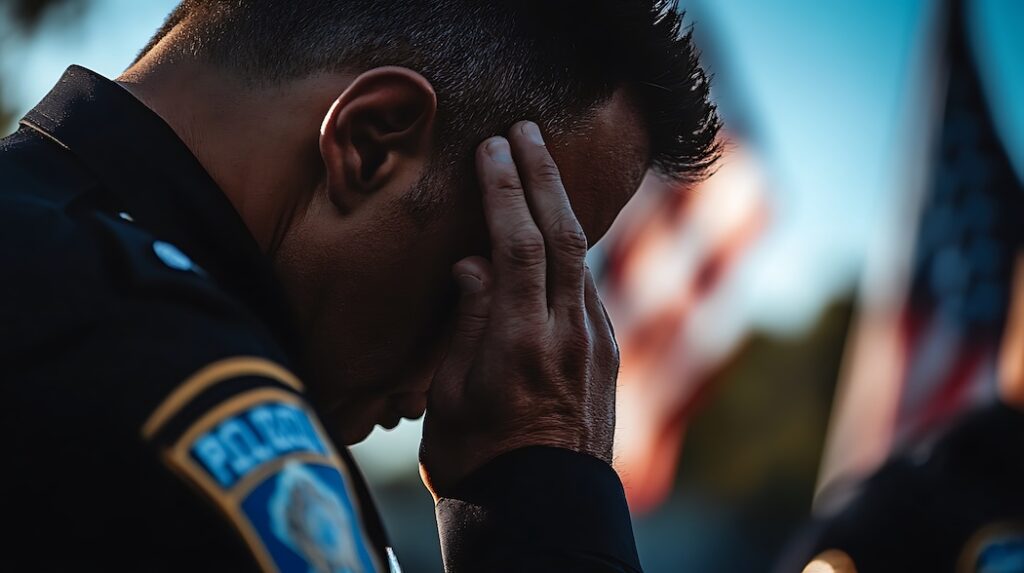
For many individuals, especially first responders and veterans, trauma lingers long after the event itself. It shows up in sleepless nights, heightened anxiety, emotional withdrawal, and the invisible weight of experiences that are difficult to process alone.
While physical injuries are often treated immediately, mental and emotional trauma is frequently left unaddressed. Yet the long-term effects can be just as life-altering.
Access to mental health support after trauma is not a luxury. It is essential.

The Lasting Impact of Trauma
First responders and veterans face some of the most intense and repeated exposure to traumatic events. From emergency scenes to combat environments, they are often required to suppress their own emotional responses in order to serve others.
Over time, that accumulation of stress can lead to serious mental health challenges, including post-traumatic stress, depression, and burnout.
What makes this even more difficult is that many individuals do not seek help right away. Stigma, lack of access, or simply not knowing where to turn can prevent people from getting the support they need.
Without proper care, trauma can affect relationships, careers, physical health, and overall quality of life.
Why Access Matters
Access to mental health support goes beyond availability. It includes:
Timely care when individuals are ready to seek help
Trusted providers who understand trauma and its complexities
Convenient access points, including virtual care
Safe environments where individuals feel comfortable opening up
When these elements are in place, people are far more likely to engage in care and begin the healing process.
But when access is limited, delayed, or difficult to navigate, many simply go without support.

The Role of Walk Them Home
This is the gap that the Walk Them Home program was created to address.
The mission is simple but powerful: ensure that those who dedicate their lives to protecting others are also supported when they return home.
Walk Them Home focuses on connecting first responders and veterans with mental health resources, while also building a peer-to-peer support network. This peer component is especially important. Speaking with someone who has lived through similar experiences can break down barriers and create a level of understanding that is difficult to replicate.
It reinforces a critical message: you are not alone.
Strengthening Access Through Partnership
A key part of expanding access to care is collaboration. That is why LegalMed180 has partnered with TeleWellness Hub, an organization dedicated to connecting individuals with qualified mental health professionals through accessible and flexible care options.
Through this partnership, individuals can be connected with specialists who understand trauma and are equipped to provide meaningful support. The ability to access care remotely also removes common barriers such as travel, scheduling conflicts, and geographic limitations.
Together, Walk Them Home and TeleWellness Hub are helping create a more seamless pathway to care, one that prioritizes both accessibility and trust.

Breaking the Stigma
One of the most important aspects of improving mental health access is changing the conversation around it.
Seeking help is not a sign of weakness. It is a step toward strength, resilience, and recovery.
Programs like Walk Them Home aim to normalize these conversations and encourage individuals to seek support earlier, before challenges escalate.
By combining professional resources with peer support and accessible care, it becomes easier for individuals to take that first step.
A Shared Responsibility
Supporting mental health after trauma is not the responsibility of one organization alone. It requires a collective effort from healthcare providers and legal professionals to communities and advocacy groups.
At LegalMed180, our mission is to bridge law, healthcare, and human care. That includes raising awareness about the importance of mental health support and helping create pathways for individuals to access the care they need.
Because when trauma is left untreated, its impact can ripple far beyond the individual. But when support is accessible, timely, and compassionate, recovery becomes possible.
And for those who have spent their lives protecting others, that support is not just important – it is essential.