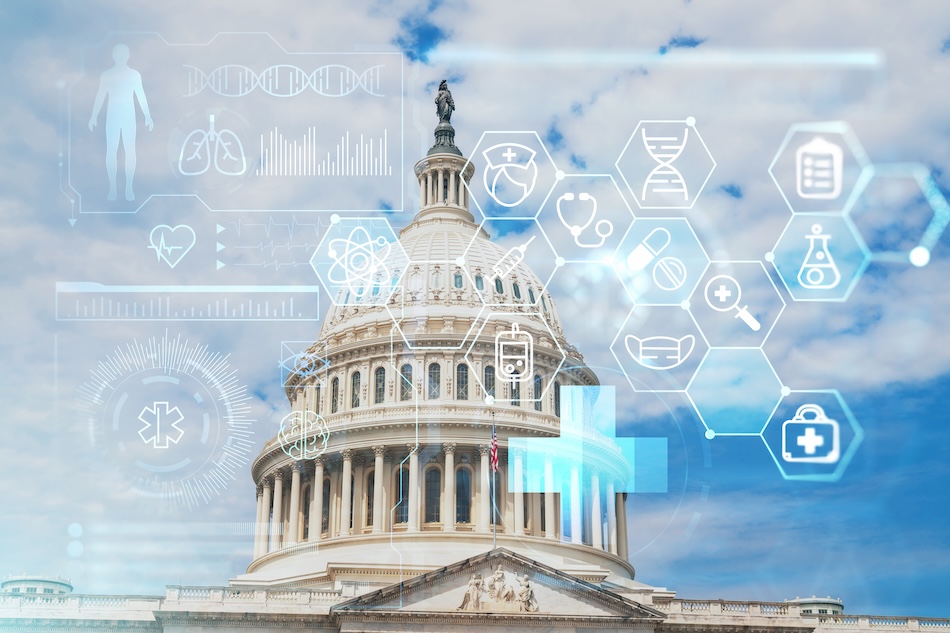

In today’s increasingly complex world, no single profession can fully address the long-term impact of trauma, catastrophic injury, or life-altering events alone. Legal professionals, medical experts, mental health providers, and policy advocates each play a critical role in shaping outcomes for individuals navigating recovery. But the best results often happen when these sectors work together.
Cross sector collaboration is emerging as one of the most important strategies for improving care, strengthening advocacy, and creating more comprehensive solutions for those whose lives have been affected by injury or trauma.

Moving Beyond Isolated Expertise
For decades, legal cases, healthcare treatment, and policy reform have often operated in separate spaces. Personal injury attorneys focused on litigation, medical professionals concentrated on physical treatment, mental health providers addressed emotional recovery, and policymakers shaped legislation from a broader systems perspective.
While each of these sectors offers valuable expertise, working in isolation can leave critical gaps in support.
For example, a personal injury lawyer may successfully advocate for compensation, but without strong medical documentation and mental health evaluation, the full impact of an injury may not be represented. Similarly, healthcare providers may treat symptoms effectively, but broader legal or policy barriers could still limit access to care or resources.
Cross sector collaboration closes these gaps by ensuring that every aspect of an individual’s experience is recognized and addressed.
The Role of Legal Professionals
Personal injury attorneys are often at the forefront of advocacy for individuals impacted by catastrophic injuries, negligence, or trauma. Their role extends beyond courtroom representation. They help secure financial resources, coordinate expert testimony, and increasingly serve as connectors between clients and broader systems of support.
By collaborating with medical and mental health professionals, attorneys can build stronger cases while also ensuring clients receive comprehensive care that supports long-term recovery.

Medical Professionals as Critical Partners
Medical experts provide the clinical foundation necessary to understand the severity of an injury, treatment options, future care needs, and rehabilitation pathways. Their assessments are essential not only for recovery but also for helping legal professionals accurately quantify damages and advocate effectively.
When medical providers collaborate closely with legal teams, they help create more informed case strategies while improving patient outcomes through coordinated care.
Mental Health Support as an Essential Component
Trauma does not only affect the body. Emotional and psychological injuries can have lasting consequences that are often just as significant as physical harm.
Mental health professionals bring critical expertise to this collaborative framework by addressing anxiety, depression, PTSD, and long-term emotional recovery. Their work ensures that treatment plans are holistic and that legal cases accurately reflect the psychological toll of injury.
Accessible services such as TeleWellness Hub help bridge this gap by connecting individuals with mental health therapists who understand trauma and recovery.

Policy Professionals and Systemic Change
Policy professionals and legislative advocates play a broader but equally important role. Laws and regulations directly affect access to care, legal rights, compensation structures, and long-term protections for individuals facing trauma.
When legal, medical, and mental health experts collaborate with policymakers, they help shape legislation that reflects real-world experiences and creates better systems for future generations.
This is especially important when addressing issues such as civil justice reform, healthcare accessibility, and mental health support initiatives.
A Shared Goal: Better Outcomes
At the heart of cross sector collaboration is one shared objective, improving lives.
When professionals across legal, medical, mental health, and policy sectors work together, they create stronger advocacy, more effective treatment plans, and broader systemic improvements. This integrated approach ensures individuals are supported not only during immediate recovery, but throughout every stage of their journey.
The Future of Human Centered Advocacy
The future of better outcomes lies in breaking down silos and embracing collaboration. For professionals dedicated to justice, healthcare, mental wellness, and policy, working together is no longer optional. It is essential.
By combining expertise across sectors, we can build systems that are more compassionate, more effective, and more reflective of the real needs of those we serve.
Because true recovery is not achieved through one profession alone. It is built through partnership.