
Access to transportation is something many people take for granted. For millions of Americans living with disabilities, however, transportation is often one of the biggest barriers to independence, employment, healthcare, and everyday life.
A recent case in Minnesota is shedding new light on this issue and demonstrating how advocacy, legal action, and public awareness can lead to meaningful change for the disability community.
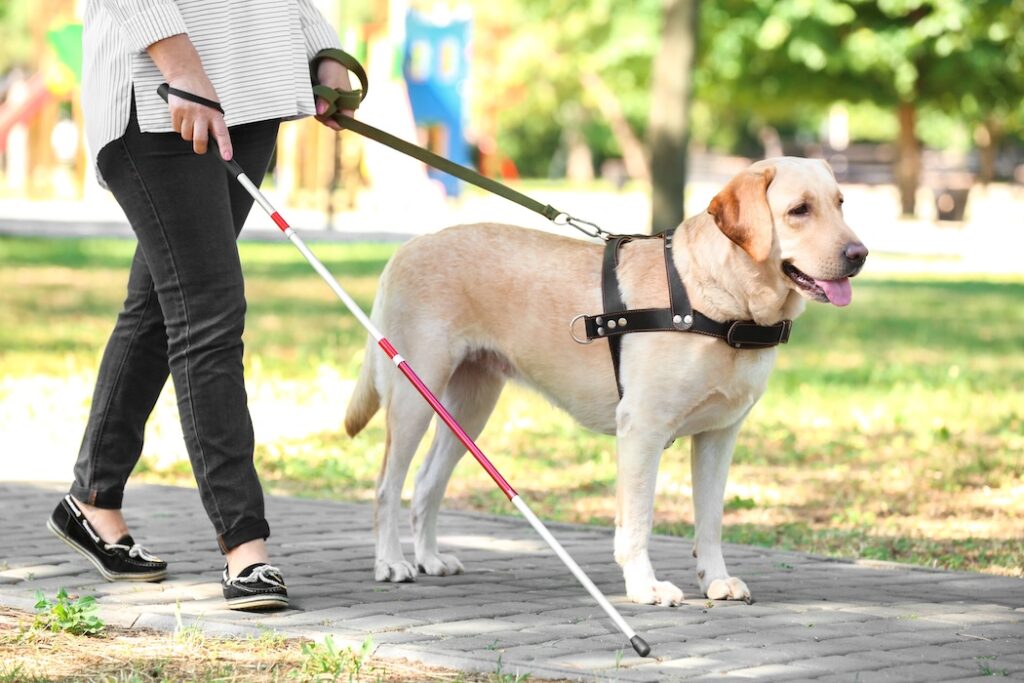
The case centers around a blind college student and her guide dog, Alfred. After repeatedly being denied rides through the rideshare app Lyft because of her service animal, she filed a complaint with the Minnesota Department of Human Rights. An investigation determined that denying rides to someone because they have a service animal violates the state’s human rights laws protecting people with disabilities.
What followed was a settlement that will have impact far beyond Minnesota.
Under the agreement, Lyft will implement improved driver training on disability rights, strengthen policies protecting riders with service animals, and introduce app features that allow passengers to disclose service animals and report ride denials more easily. The company must also warn drivers that refusing service animals is against the law and could lead to deactivation from the platform.
Perhaps most importantly, these changes will apply nationwide, meaning riders with disabilities across the United States could benefit from the improvements.
Why This Matters
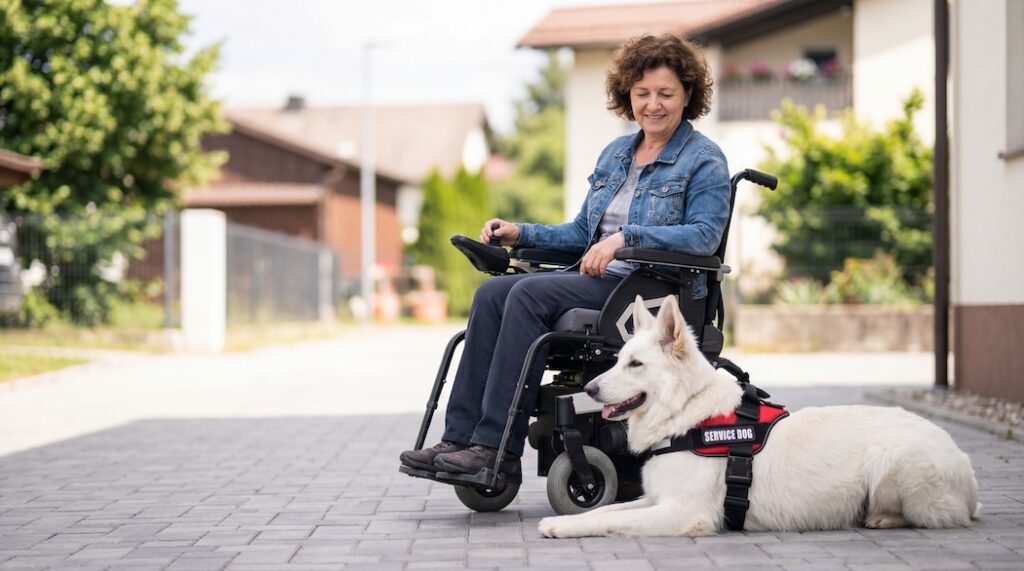
For individuals who rely on service animals, a denied ride is not simply an inconvenience. It can mean missing a medical appointment, being late to work, or losing the ability to travel safely and independently.
Service animals are not pets. They are trained companions that assist individuals with disabilities in navigating the world. For many people who are blind or visually impaired, guide dogs function as their eyes – helping them travel, work, and live independently.
As the student involved in the case explained, her guide dog is her “freedom” and what allows her to move through the world with independence.
When transportation services fail to accommodate service animals, they are effectively denying access to essential parts of daily life.
This is why disability rights laws exist, to ensure equal access to public services and to protect individuals from discrimination.
A Reminder That Accessibility Is a Civil Right
Officials involved in the case emphasized that access to rideshare services is not simply a convenience. It is a matter of civil rights and accessibility.
As technology transforms transportation, from taxis to rideshare apps, the responsibility to ensure accessibility must evolve alongside it.
Rideshare platforms have become a critical part of transportation infrastructure across the country. For people with disabilities, they can provide essential mobility that traditional transportation systems sometimes fail to deliver.
But that access must be inclusive.
The settlement in Minnesota shows that when systems fall short, legal advocacy can help restore fairness and accountability.

A Model the Rest of the Nation Should Follow
This case highlights an important truth: meaningful change often begins with one voice speaking up.
Because one rider chose to advocate for her rights, policies affecting thousands of drivers and millions of passengers are now being strengthened across the country.
Other rideshare companies, businesses, and policymakers should view this moment as an opportunity to examine their own accessibility policies and ensure that individuals with disabilities are treated with the dignity and respect they deserve.
Accessibility should not depend on where someone lives or which platform they use. It should be standard.
Why Stories Like This Matter to LegalMed180
At LegalMed180, we believe that law and healthcare intersect in ways that directly impact people’s well-being, independence, and quality of life.
The disability community often faces systemic barriers – whether in healthcare access, transportation, employment, or public services. Stories like this demonstrate how legal advocacy can help remove those barriers and protect vulnerable communities.
Raising awareness about issues affecting people with disabilities is an important step toward building a more equitable and compassionate society.
Because true justice is not only about what happens in the courtroom.
It is about ensuring that everyone, regardless of ability, has the opportunity to live, travel, work, and thrive with dignity.