In today’s volatile healthcare system, justice doesn’t begin in the courtroom, it starts with a denial letter. Every day, people are denied life-saving care by insurance companies that profit from bureaucracy. And as 2025 ushers in new Medicaid redeterminations and stricter claim reviews, the number of denied services is growing.
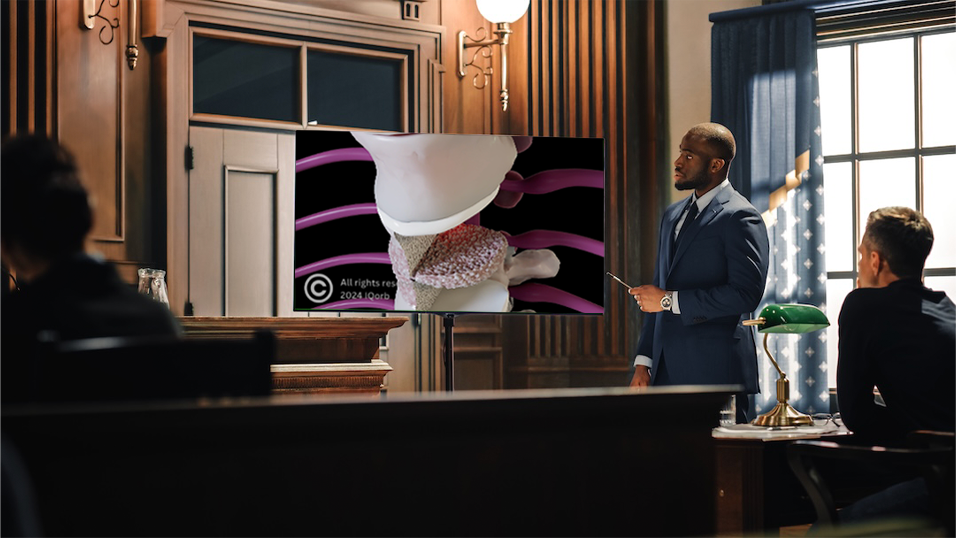
When you’re handling a case that hinges on medical facts—whether it’s personal injury, malpractice, or disability—you’re not just building a legal argument. You’re telling a clinical story, validating it with evidence, and making it understandable to a judge or jury.
Navigating a disability case is never simple. Between proving medical necessity, determining long-term care needs, and overcoming legal hurdles, there’s already enough complexity. Now, with several significant Medicare policy changes rolling out in 2025, attorneys and medical experts alike need to be even more vigilant when building or defending disability claims.
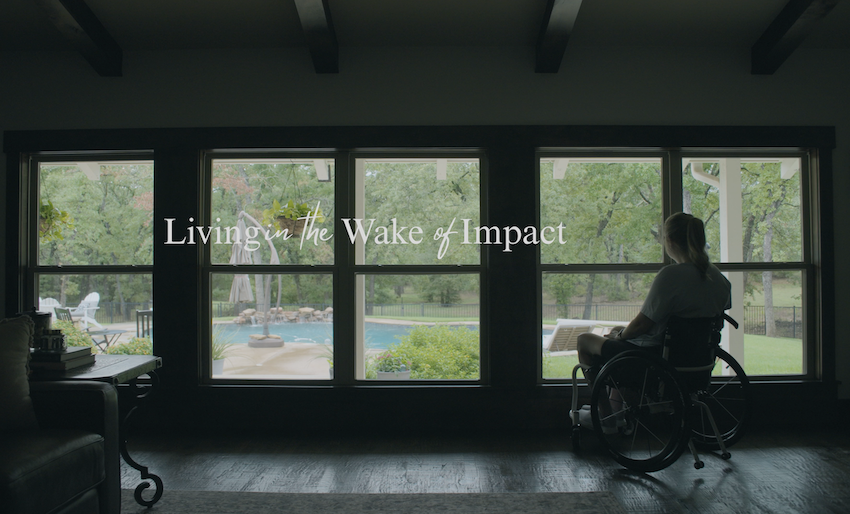
At just 23 years old, Sarah Milburn’s life was altered in an instant. What should have been a routine Uber ride turned into a tragedy when a defective seatbelt design left her paralyzed after a rollover crash. But through courage, expert testimony, and unwavering advocacy, Sarah and her legal team secured a $38 million jury verdict, a resounding stand for safety and accountability.
When it comes to personal injury litigation, compelling evidence wins cases—but it’s not just about medical records and documentation. It’s about how clearly that medical information connects to the legal argument. That’s where expert medical insight becomes a powerful, and often decisive, force.