
First responders dedicate their lives to serving others, often stepping into situations that most people never encounter. From traumatic accidents to life-threatening emergencies, the nature of their work places them under constant physical and emotional strain.
But while the profession demands resilience, it does not make individuals immune to burnout or trauma. For first responders, ongoing support is not a luxury. It is essential.
The Hidden Weight of Service
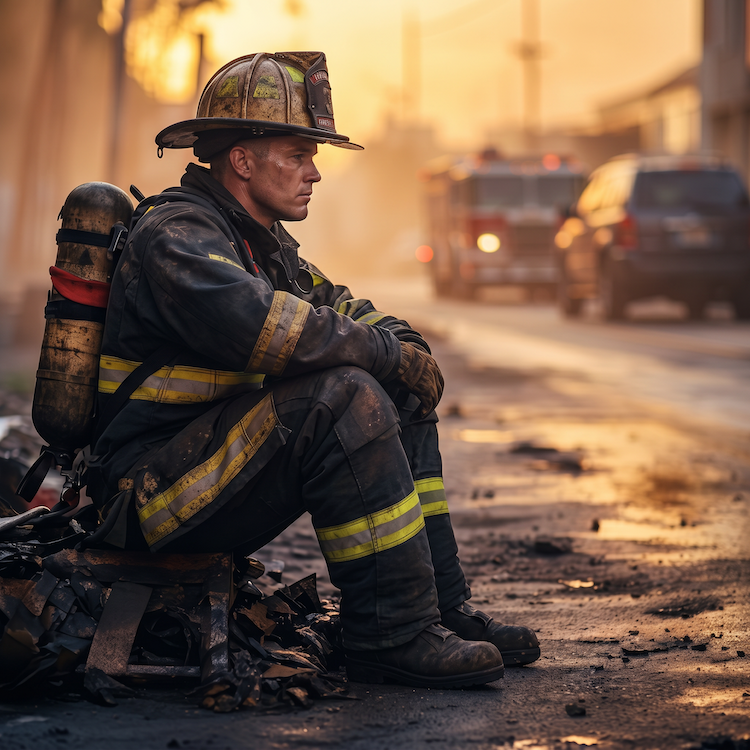
Behind every call is an experience that can leave a lasting impact. Repeated exposure to trauma can lead to burnout, anxiety, depression, and post-traumatic stress disorder.
Unlike a single traumatic event, first responders often face cumulative stress. Over time, this can affect not only job performance but also relationships, physical health, and overall well-being.
Recognizing this reality is the first step toward building meaningful systems of support.
The Importance of Peer Support
One of the most effective ways to address trauma in first responder communities is through peer support. There is a unique level of trust and understanding that comes from speaking with someone who has faced similar experiences.
Peer support programs create safe spaces for open conversation, helping to reduce stigma and encourage early intervention. They remind first responders that they are not alone in what they are experiencing.
These connections can serve as a critical bridge between recognizing a need for help and seeking professional care.

Expanding Access to Mental Health Care
While peer support is vital, access to licensed mental health professionals is equally important. First responders need resources that are accessible, flexible, and tailored to the realities of their schedules and experiences.
TeleWellness Hub provides a solution through virtual access to mental health therapists who understand trauma and high-stress professions. By offering convenient and confidential care, TeleWellness Hub helps remove common barriers that prevent individuals from seeking support.
This kind of access ensures that first responders can receive consistent care, whether they are managing acute stress or long-term trauma.
The Walk Them Home Campaign
The Walk Them Home campaign is dedicated to raising awareness and expanding support for first responders and veterans facing the effects of trauma. By focusing on connection, mental health resources, and community engagement, the campaign emphasizes the importance of walking alongside those who serve, not just during moments of crisis, but throughout their recovery journey.
It serves as a reminder that support should not end when the call does.
Looking Ahead: Telling These Stories
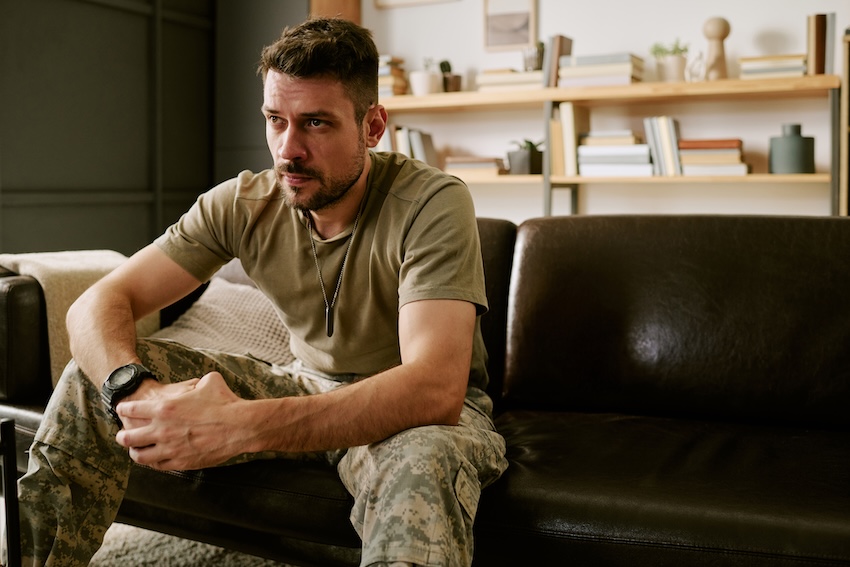
At LegalMed180, we believe that storytelling has the power to create understanding and drive change. That is why one of our upcoming films in the Walk Them Home initiative will focus on the experiences of first responders, highlighting both the challenges they face and the importance of ongoing support.
By sharing these stories, we aim to bring greater awareness to the realities of burnout and trauma, while also highlighting the resources and communities that make recovery possible.
A Call for Continued Support
Supporting first responders requires a collective effort. It involves building strong peer networks, increasing access to mental health care, and continuing to share stories that foster empathy and understanding.
Burnout and trauma may be part of the job, but they should never be faced alone.
Through initiatives like Walk Them Home and resources like TeleWellness Hub, there is a path forward. One that ensures those who serve others receive the support they deserve.